Wedding Dress: Buy, Have It Made, or Rent
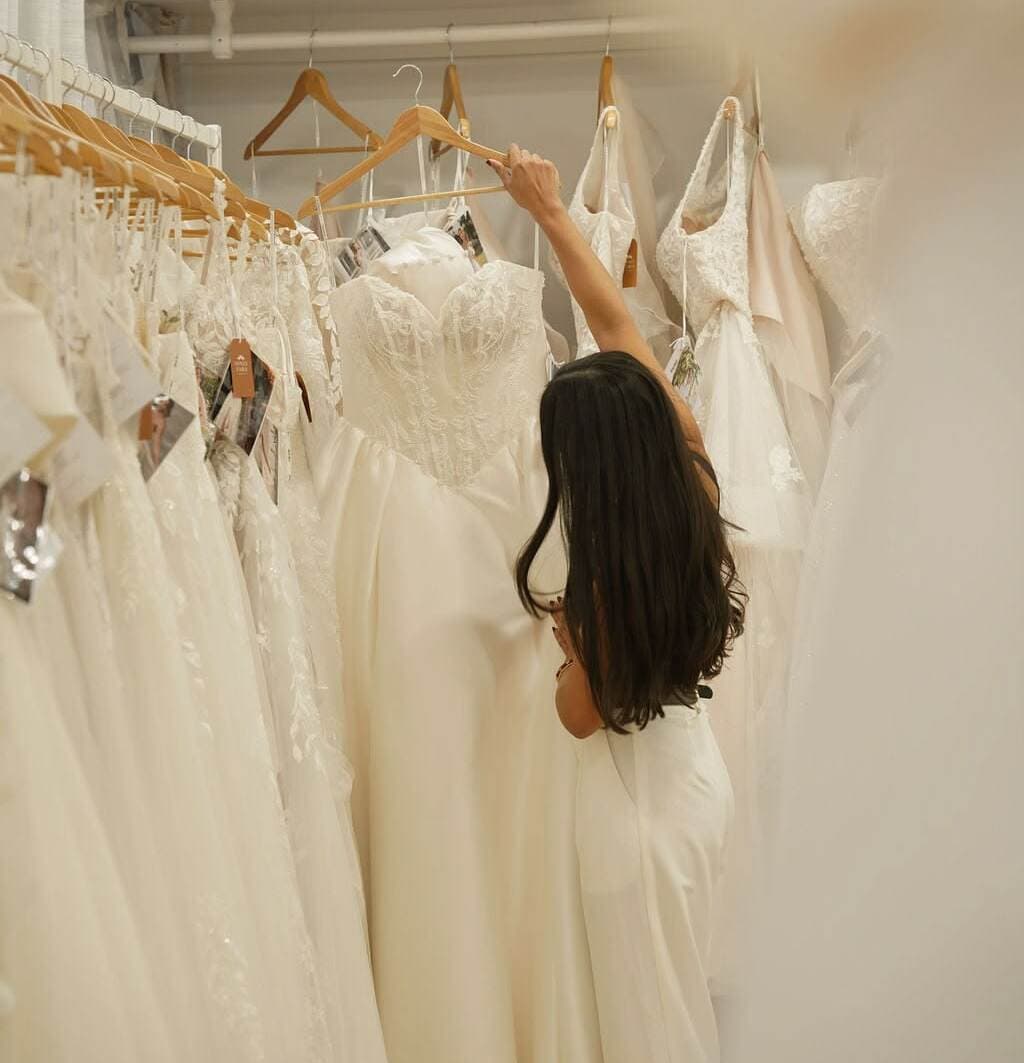
A wedding dress is a rare purchase — decided once, but felt all day, through the church ceremony, the banquet, and dancing well into the night. The three paths to it — buying off the rack, having one made, or renting — aren't mutually exclusive, and it's worth weighing all three before choosing.
Buying off the rack
Salons in Yerevan carry both Turkish and European collections alongside pieces from local designers. The advantage here is being able to see and try on a finished garment instead of imagining the outcome from a sketch.
A ready-made dress almost always needs alterations — at minimum for length and waist fit, sometimes something more involved. Budget two to four weeks for this after purchase, separate from the time spent choosing.
Prices for ready-made dresses in Yerevan usually span a wider range than people expect — from budget-friendly options to expensive designer pieces — and the spread depends heavily on the salon and brand. It's worth telling the salon your upper budget limit upfront so you don't waste time trying on dresses out of reach.
Having it made to order
Working with a local dressmaker is a common — and often more cost-effective — route, especially if you need a non-standard size, a complex fit, or elements with national character, which are increasingly worked into the evening dress an Armenian bride changes into later in the night.
The advantage of custom work is full control over silhouette, fabric, and detail, and often a more reasonable price for comparable quality than a ready-made dress from a known brand. The tradeoff is time: a good dressmaker typically needs three to four fittings, spaced two to three weeks apart, and the whole process from the first meeting to the finished dress takes two to four months.
If you're planning to have a dress made, start looking for a dressmaker four to five months out — not because the work itself takes that long, but because in-demand dressmakers fill up their peak-season schedules well in advance.
Renting
Renting is becoming an increasingly accepted option, especially for brides who don't plan to keep the dress or who'd rather put the money saved toward another part of the budget — a photographer, say, or venue decor.
The savings are substantial — a rented dress typically costs a quarter to a third of buying a comparable one. The tradeoff is a more limited size selection at some studios, and the need to reserve your dress ahead of time on popular dates, since a single dress is often rented out to several brides in a row and needs cleaning time between bookings.
Start looking at rentals two to three months before the wedding — any earlier and the selection for your specific date may not be open yet; any later and the best sizes and styles are already taken.
Timelines: when to start looking
Comparing the three paths by timing, the order looks like this:
- rental — start browsing two to three months out, book two to four weeks ahead of the date;
- ready-made — start shopping five to six months out, accounting for alterations;
- custom-made — start looking for a dressmaker four to five months out, so you have room for every fitting without rushing.
If your wedding date falls at the peak of the season — May, June, September — add a month to each of these windows: salons, dressmakers, and rental studios are busier then.
Fittings: how much time to set aside
Even a ready-made dress needs at least one or two fittings with a salon or an in-house tailor after purchase. With a custom dress, the usual sequence is: a first fitting on the base construction without detail, a second incorporating early adjustments, and a third — sometimes a fourth — final fitting closer to the wedding date.
Plan the final fitting no later than one to two weeks before the wedding — weight can shift slightly over months of preparation, and it's better to have the last adjustment close to the date but not right up against it, so there's still time to fix anything.
Budget: where the money actually goes
The full cost of the look rarely stops at the dress itself. Also plan for:
- alterations — 10–15% of the dress price for a ready-made gown;
- veil, jewelry, and shoes separately, if they aren't included;
- a second dress for the banquet or the later part of the night — many brides at Armenian weddings change into something else closer to the dancing, and it's worth planning that in advance rather than deciding last minute;
- dry cleaning and storage after the wedding, if you're keeping the dress.
There's no single right answer among buying, custom-making, and renting — there's the choice that fits how much time you have before the date and what matters more: control over the details, savings, or speed.
Where to start on silhouette
Before touring salons or dressmakers, it's worth settling on a general direction — a fitted silhouette, a fuller skirt, a lighter, more form-fitting cut. Recent seasons have leaned toward minimal detailing with a striking silhouette and corset constructions without excess decoration — but for an Armenian wedding, where several hundred guests see the dress up close and in photos all evening, it's worth weighing the trend against something equally important: how comfortable that dress is to dance in for hours.
Find a vendor: Wedding dresses · Stylists and makeup artists