Wedding Day Timeline: How to Fit It All In Without Burning Out
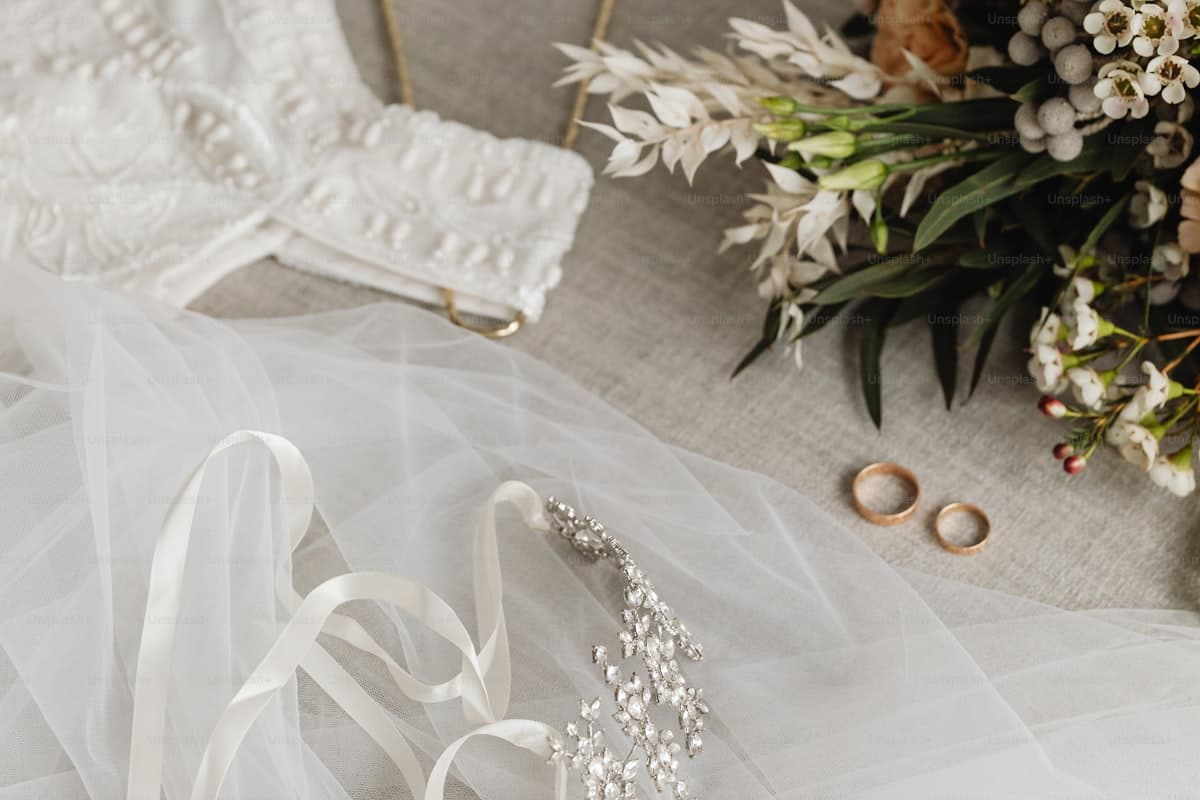
An Armenian wedding day is long — from morning preparations to a banquet that rarely wraps up before midnight. Without a clear timeline, the day either drags on and exhausts everyone before the banquet even starts, or gets so compressed that the moments you'll actually want to remember later — like an unhurried outdoor photo session — get squeezed out.
The general logic: count backward, not forward
The most common mistake is planning the day from morning onward. It works better to fix the banquet's start time first — usually locked in by the venue booking — and count backward from there: how much time you need for travel, the photo session, the ceremony, getting ready.
If the banquet starts at 7pm, the drive from the church to the venue is thirty minutes, and an hour-long photo session is planned before that, then you need to leave the church by 5pm, the ceremony should start around 4pm, and before that you need time for the groom to meet the bride at her home and travel to the church.
A typical hour-by-hour plan
Treat this as a reference, not a rigid rule — the specific hours shift depending on whether the ceremony is in the morning or later in the day, but the proportions between blocks are worth keeping.
9:00–11:30am — bride getting ready. Makeup, hair, dressing. Stylists and makeup artists typically budget two to two and a half hours for the full look, and this is hard to compress without risking a result that doesn't match the trial run.
11:00–11:30am — groom getting ready. Noticeably shorter, but don't cut it to nothing — the suit, boutonnière, a short bit of photography if the photographer is shooting both preparations in parallel.
11:30am–12:00pm — the bride's "ransom." This tradition is still very much alive at Armenian weddings, with family from both sides taking part, and it genuinely takes time, especially with a large family and a ransom built around jokes and games.
12:00–1:30pm — church ceremony. The sacrament itself usually runs 40–60 minutes, but factoring in guests gathering, seating, and congratulations at the door afterward, budget an hour and a half.
1:30–3:30pm — outdoor photo session. This is the block most often cut short when the day slips off schedule, and that's a mistake — these are usually the shots that end up being the favorites in the album. An hour and a half to two hours, accounting for travel between two or three locations, is a comfortable amount of time without rushing.
3:30–4:00pm — travel and setup before guests arrive. A logistical block that often gets forgotten, but it matters — it gives the couple a moment to catch their breath and the venue time to finish last details before guests arrive.
4:00–7:00pm — guests arriving and the banquet starting. At an Armenian wedding, guests often trickle in over half an hour to an hour rather than arriving right on time, especially when they're invited as whole families traveling from farther away. Plan formal seating and the first toasts with a 20–30 minute buffer past the announced start time.
7:00pm–1:00am and later — the banquet. Toasts, dancing, course changes, the toastmaster's performance, live music — the core of the evening, which rarely wraps up in four hours at an Armenian wedding. Many venues include the rental up to midnight or 1am, with an option to pay extra for extending.
Common timing mistakes
Underestimating how long the bride's prep takes. Two hours is the baseline for elaborate hair and full makeup, not the ceiling. Even if a hair trial happened earlier, the wedding day still needs the full window — don't shave it down on the assumption that "we already rehearsed this."
A photo session with no buffer for travel between locations. Time between spots — traffic, parking, walking to the shot location — often isn't budgeted at all, and the photographer ends up with forty minutes instead of ninety.
Too tight a gap between church and venue. If the church and the reception hall are on opposite sides of town, with a photo session squeezed in between, check the actual drive time in advance, on the same day of the week and at the same time of day — don't rely on a map app's estimate without traffic.
No buffer for relatives coming from the regions or abroad. At an Armenian wedding, some guests often travel in from other cities in Armenia or from abroad specifically for the occasion, and their trip to the venue can be unpredictable. A 15–20 minute buffer before the banquet's official start removes most of that risk.
Toastmaster and musicians without an agreed plan. The banquet's rhythm — the couple's entrance, toasts from the elders, games, dance sets — should be worked out with the toastmaster and musicians ahead of time, not improvised on the night. A good toastmaster usually sends over a rough structure one or two weeks before the wedding.
How to budget buffers correctly
A useful rule of thumb: build in 15–20% extra time on top of the plan for each major block of the day — getting ready, the ceremony, the photo session, travel. This isn't about padding the day out artificially — it's about not cutting things so close that a ten-minute delay in one block pushes the rest of the evening off schedule.
The most common way a banquet ends up starting an hour late isn't one big delay — it's five small ones, ten to fifteen minutes each: getting ready, travel, the photo session, waiting for guests, seating. Individually, none of them stand out. Together, they eat up an entire hour.
Who to confirm the timeline with in advance
Put the final hour-by-hour plan in writing and confirm it with at least four parties: the venue, the photographer, the toastmaster, and whoever's coordinating hair and makeup (a stylist or planner, if you have one). If the venue has a hard start time for the rental, the whole day is built around it, and that's the first thing to communicate to the photographer and stylist — their blocks are the first to shift with any change.
Find a vendor: Tamadas and hosts · Photographers